After arriving near Interlaken and spending my first day beside the beautiful waters of Lake Thun, the second day of this Switzerland journey promised a completely different experience. Instead of remaining beside the lake beneath the warm summer sunshine, I was heading inside the mountain to explore the mysterious St. Beatus Caves.
The caves are situated above the northern shore of Lake Thun near Sundlauenen, between Interlaken and Thun. From Interlaken, I took the bus along the lakeside road toward Beatushöhlen-Sundlauenen. The journey itself became part of the experience.
A Beautiful Bus Journey Along Lake Thun
As the bus followed the road beside Lake Thun, the scenery continually opened into new views of blue water, green hills and mountains rising beyond the opposite shore. Boats rested on the lake while small villages and wooded slopes appeared along the route.
It was one of those journeys during which it was almost impossible to stop looking through the window. Even before reaching the caves, the landscape had already made the excursion worthwhile.
The St. Beatus Caves can also be reached by boat or car, but travelling by bus offered a wonderful opportunity to enjoy the changing shoreline. Bus number 21 connects Interlaken with the cave area and is one of the officially recommended ways to reach the attraction.
Climbing Toward the Cave Entrance
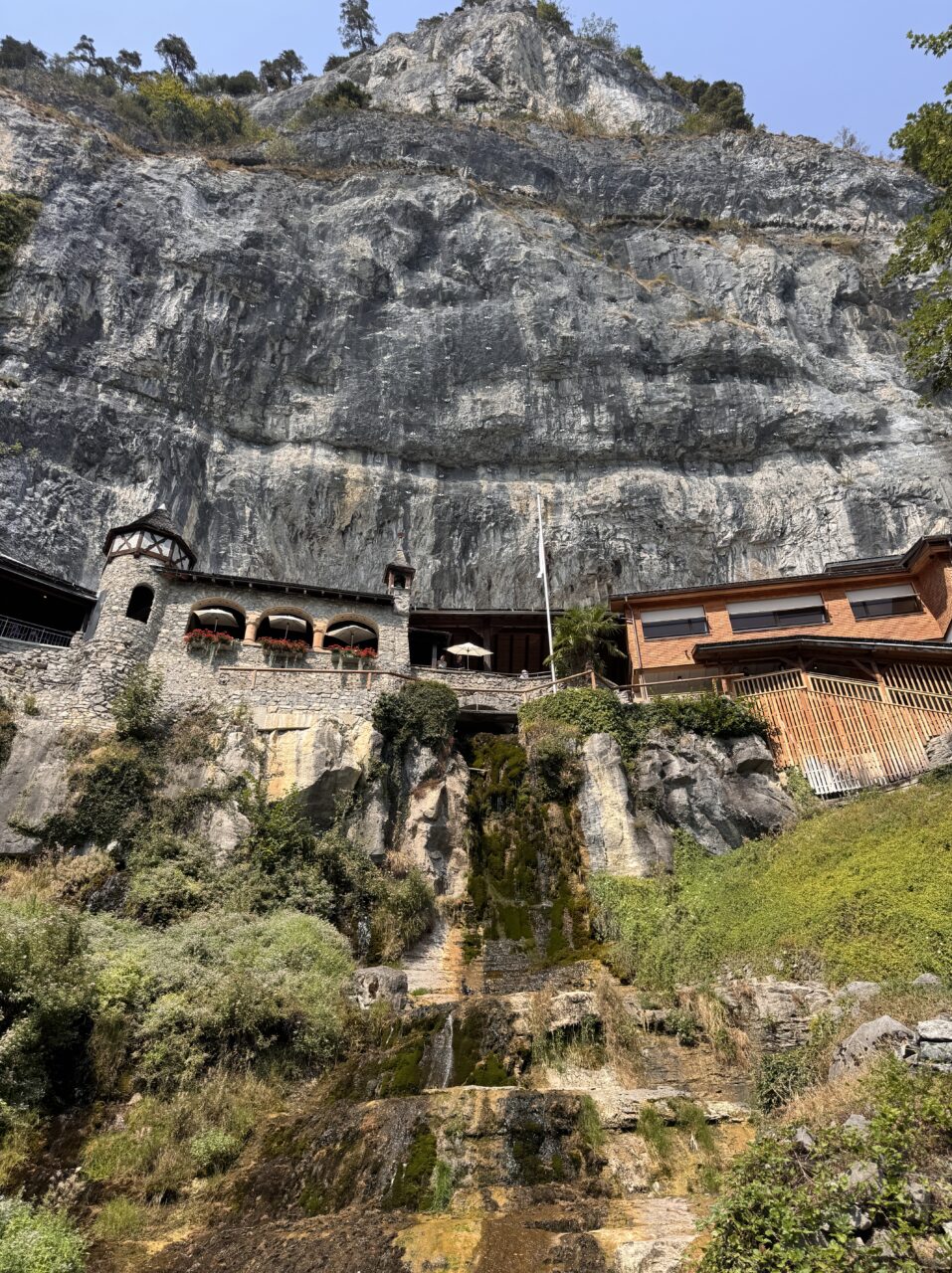
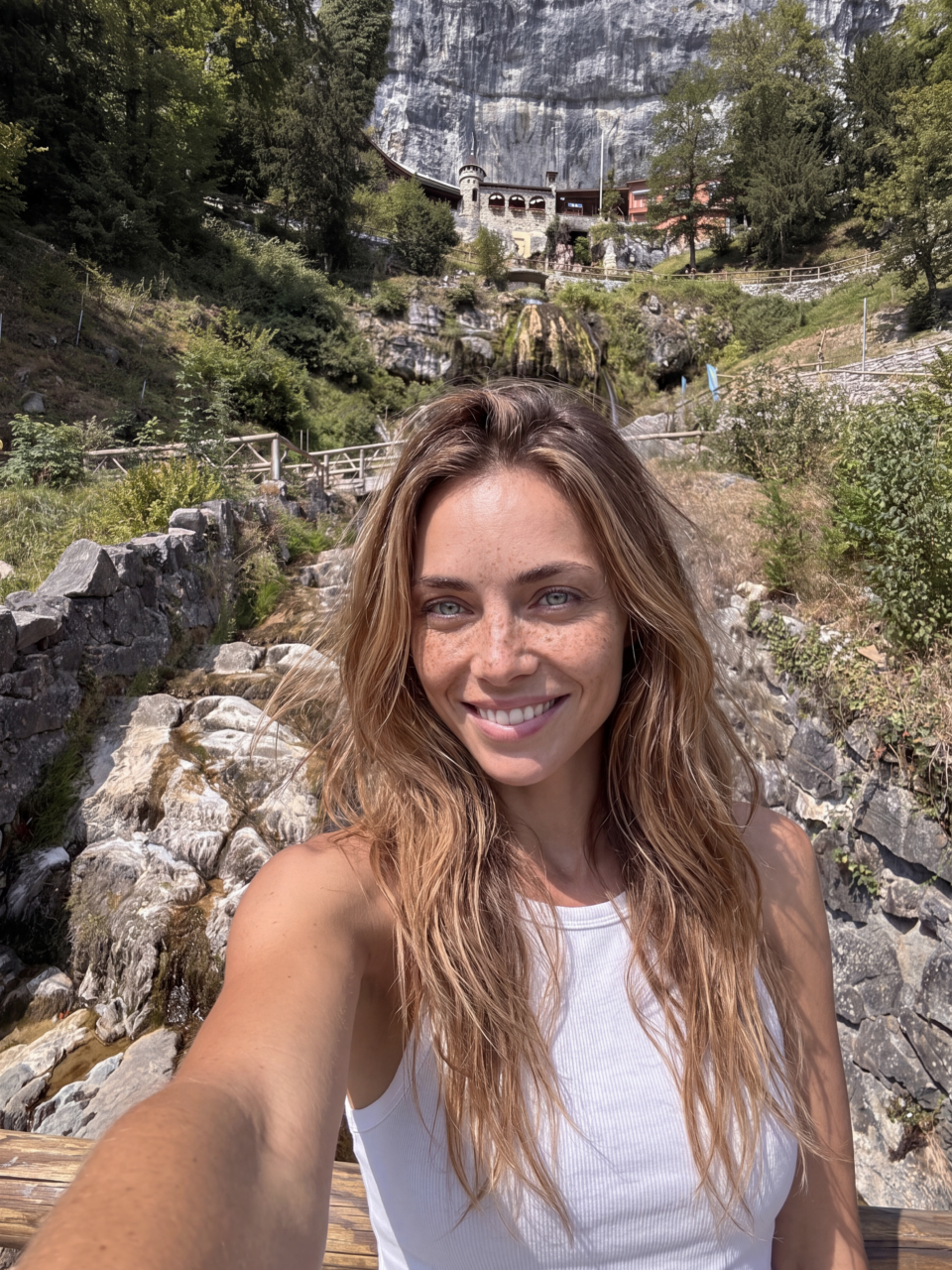
After arriving, the route continued on foot toward the entrance. The caves are set dramatically into the rock high above Lake Thun, and the approach passes through a landscape of cliffs, trees, rushing water and small bridges.
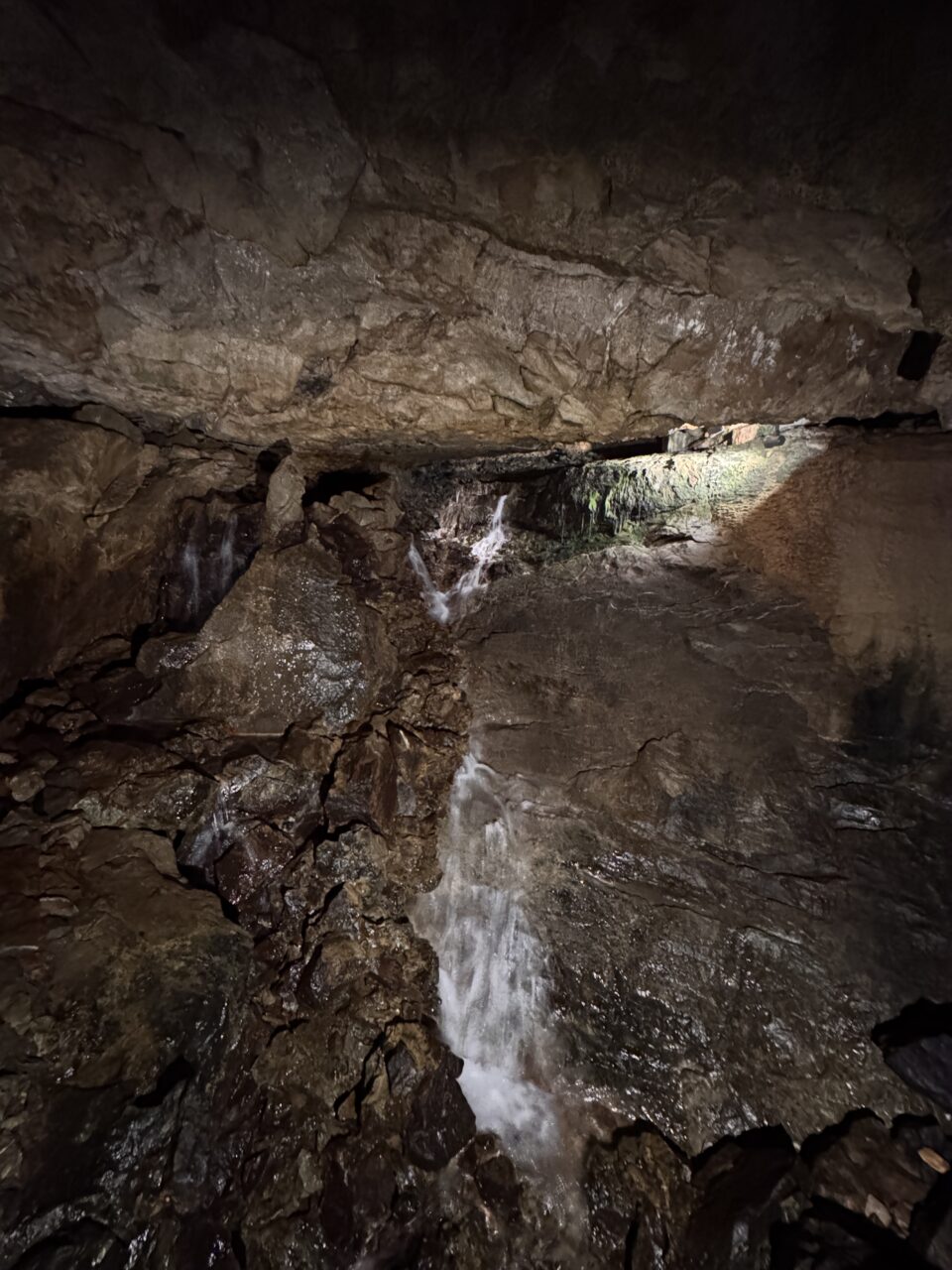
Water emerges directly from the cave system and flows down the mountainside in a series of waterfalls. The sound of the water accompanies the climb, while the views become increasingly impressive as the path rises above the lake.
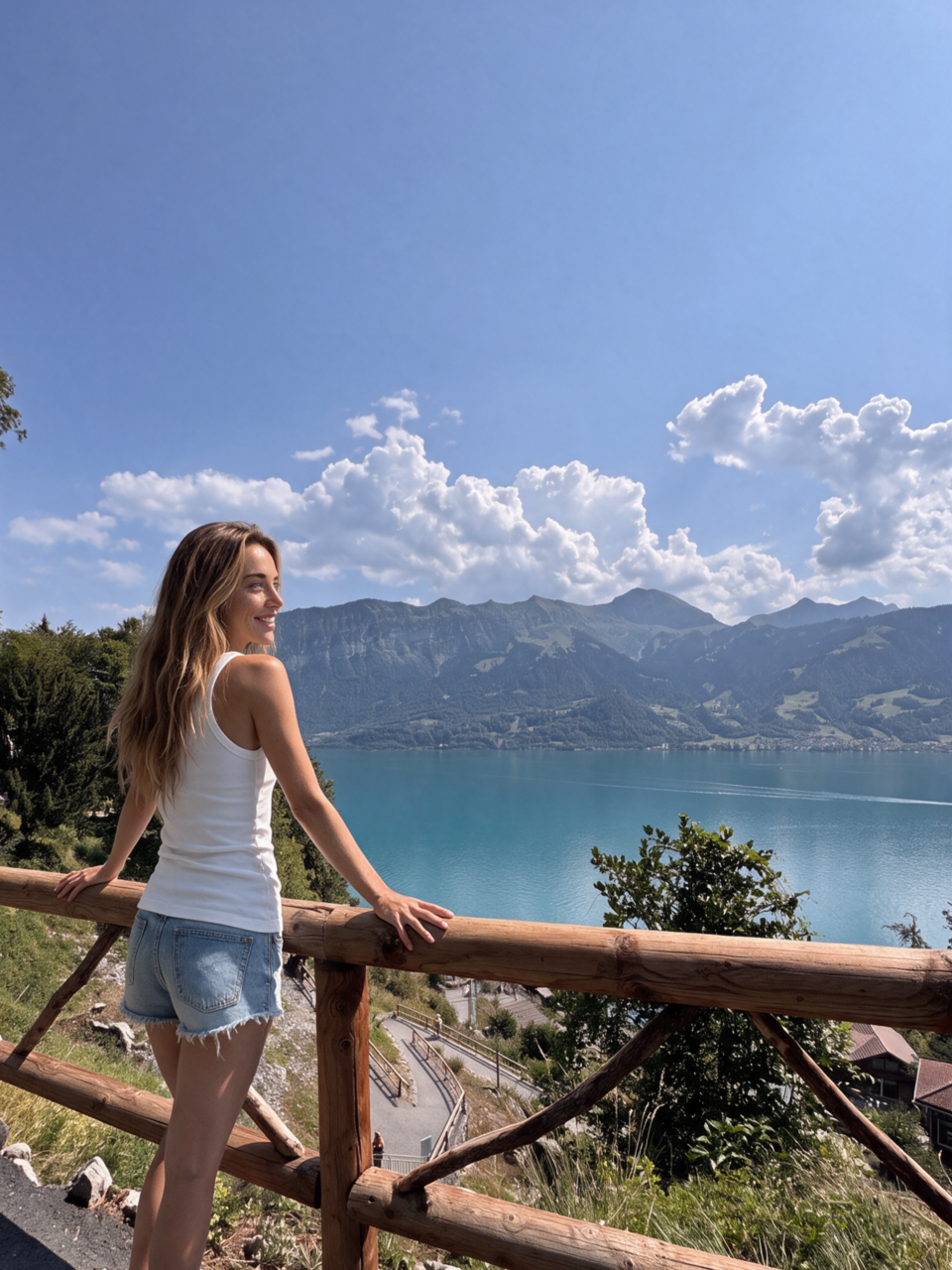
From several viewpoints, I could look back across the brilliant blue water toward the mountains. It was warm and sunny outside, making the temperature waiting inside the mountain even more surprising.
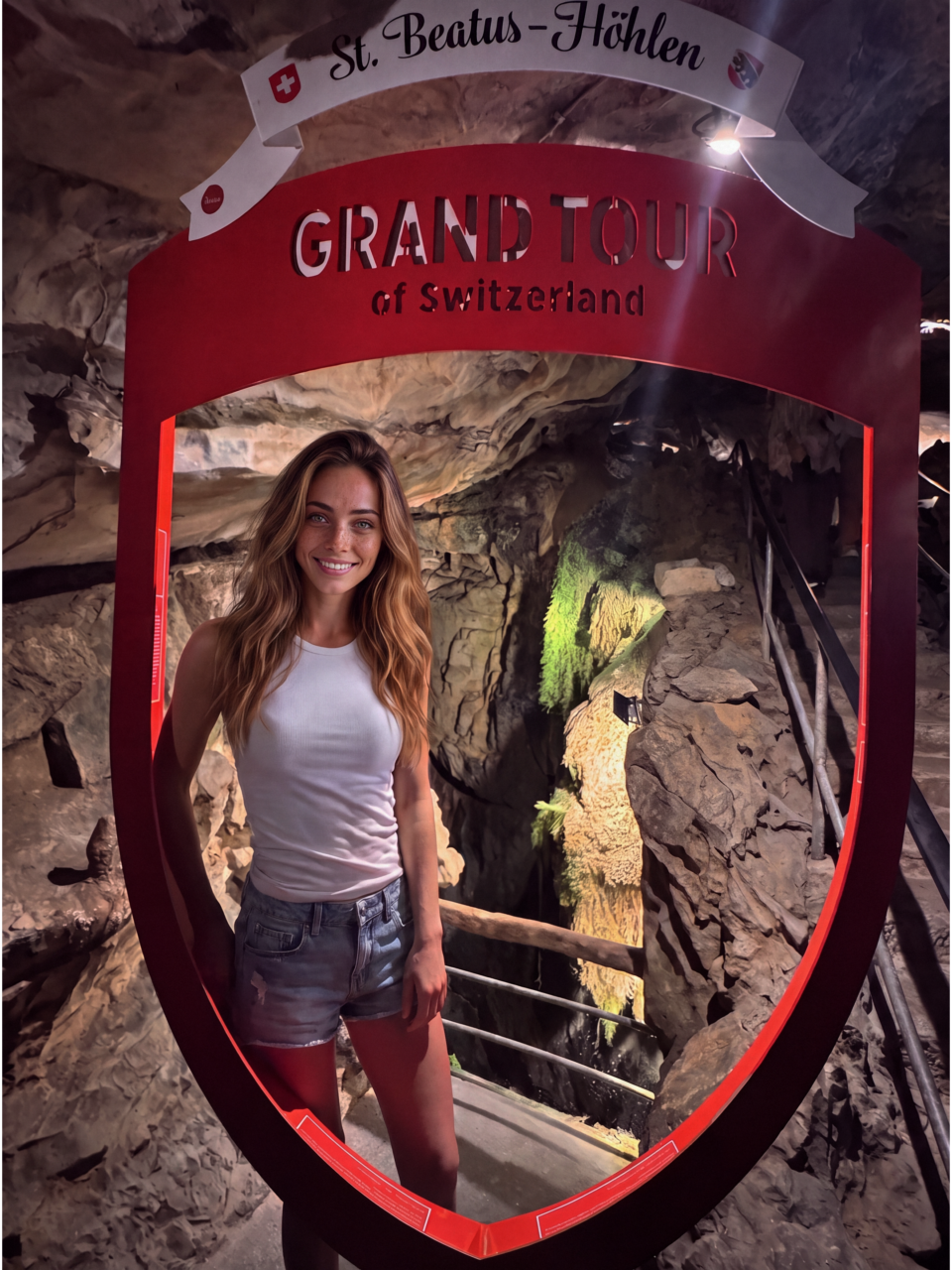
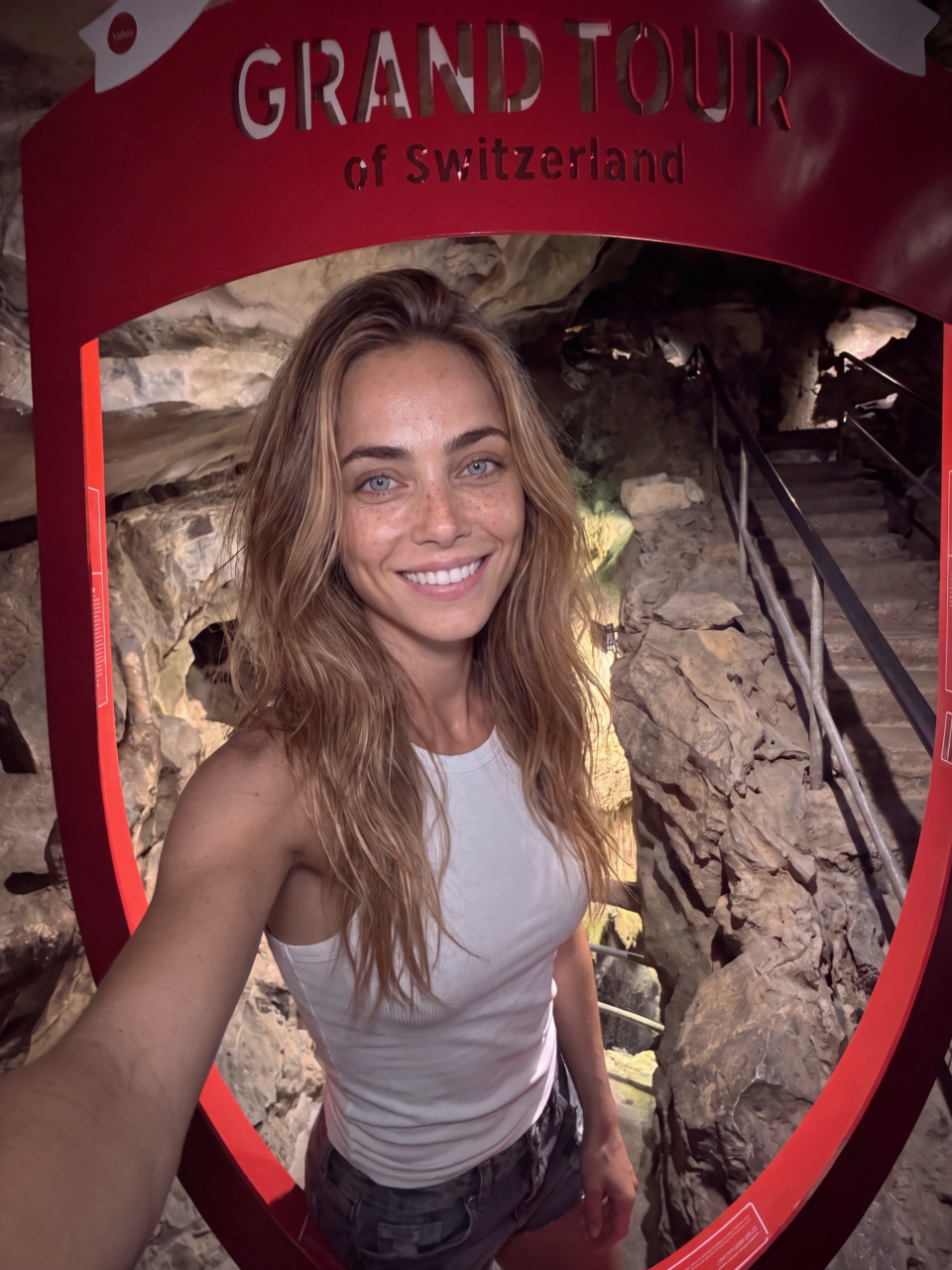
Before entering, I also stopped at the red Grand Tour of Switzerland photo frame. With the rocks and Lake Thun surrounding it, it created a perfect little reminder of where this second chapter of the journey had taken me.
The Legend of Saint Beatus and the Dragon
The caves are connected to one of the region’s most famous legends. According to the story, Saint Beatus arrived in the area during the sixth century and discovered that a fire-breathing dragon was living inside the mountain.
Beatus is said to have confronted and expelled the dragon, which fled from the cave and plunged into Lake Thun. Afterward, the saint made the cave his home and lived there as a hermit.
The dragon belongs to legend, but the caves themselves have a genuine human history. Archaeological evidence indicates that people inhabited the cave area into the Middle Ages. Today, the story of Saint Beatus remains part of the identity of the site, appearing in its museum, artwork and family attractions.
Whether understood as folklore, religious tradition or local mythology, the tale adds another dimension to the experience. Entering the dark passageways becomes more atmospheric when you imagine the stories that people have told about them for centuries.
Inside a World of Stone and Water
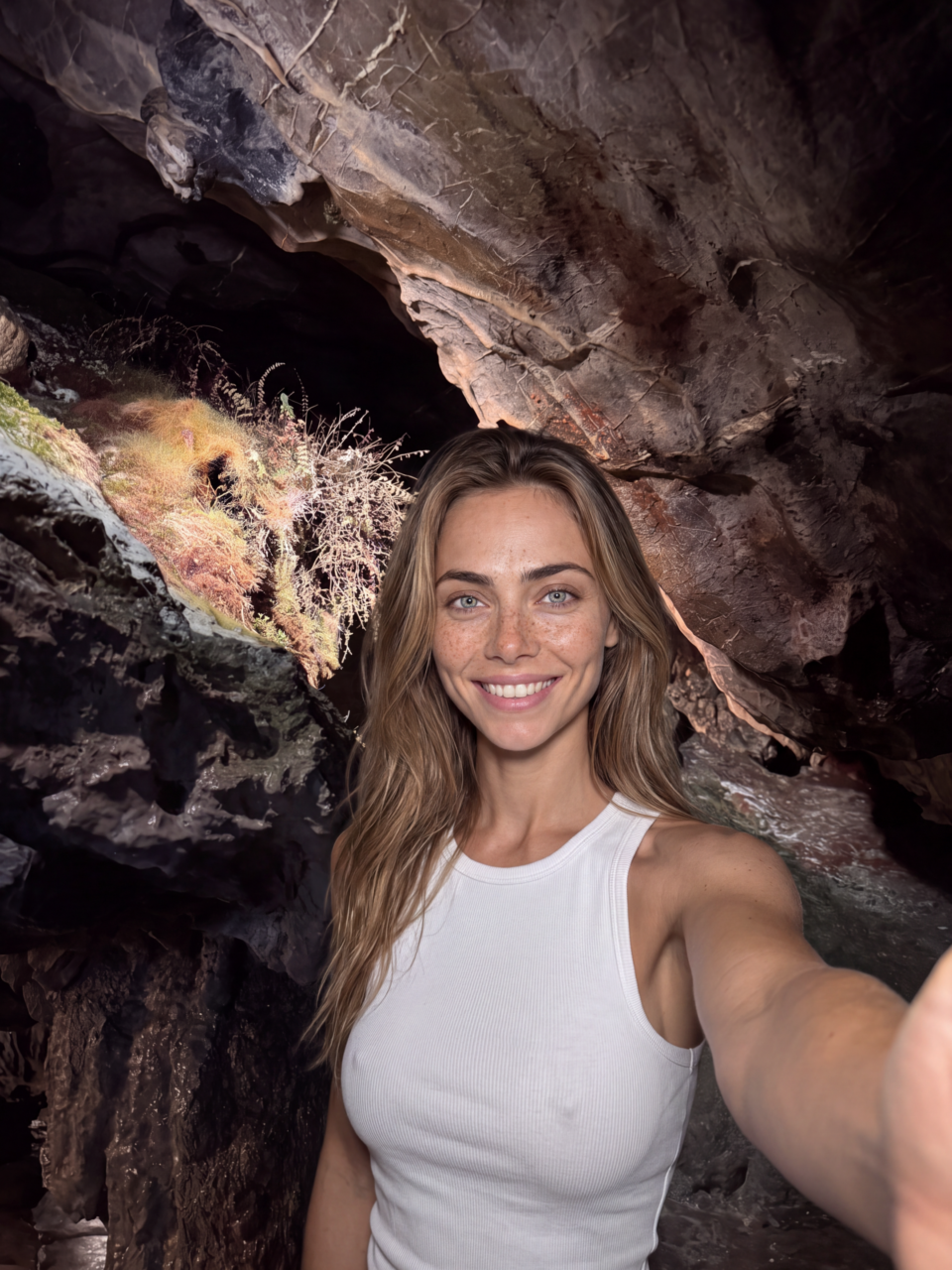
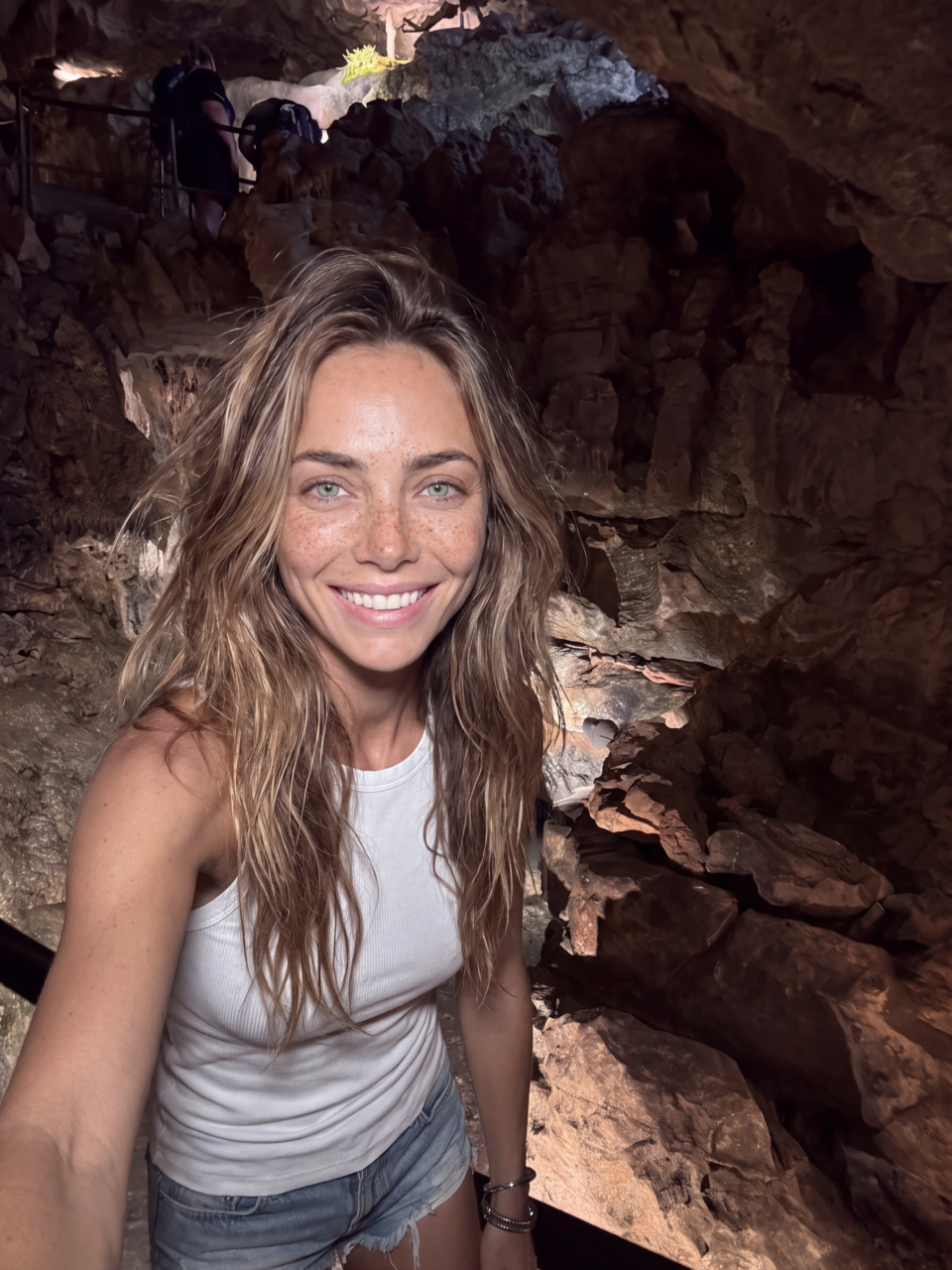
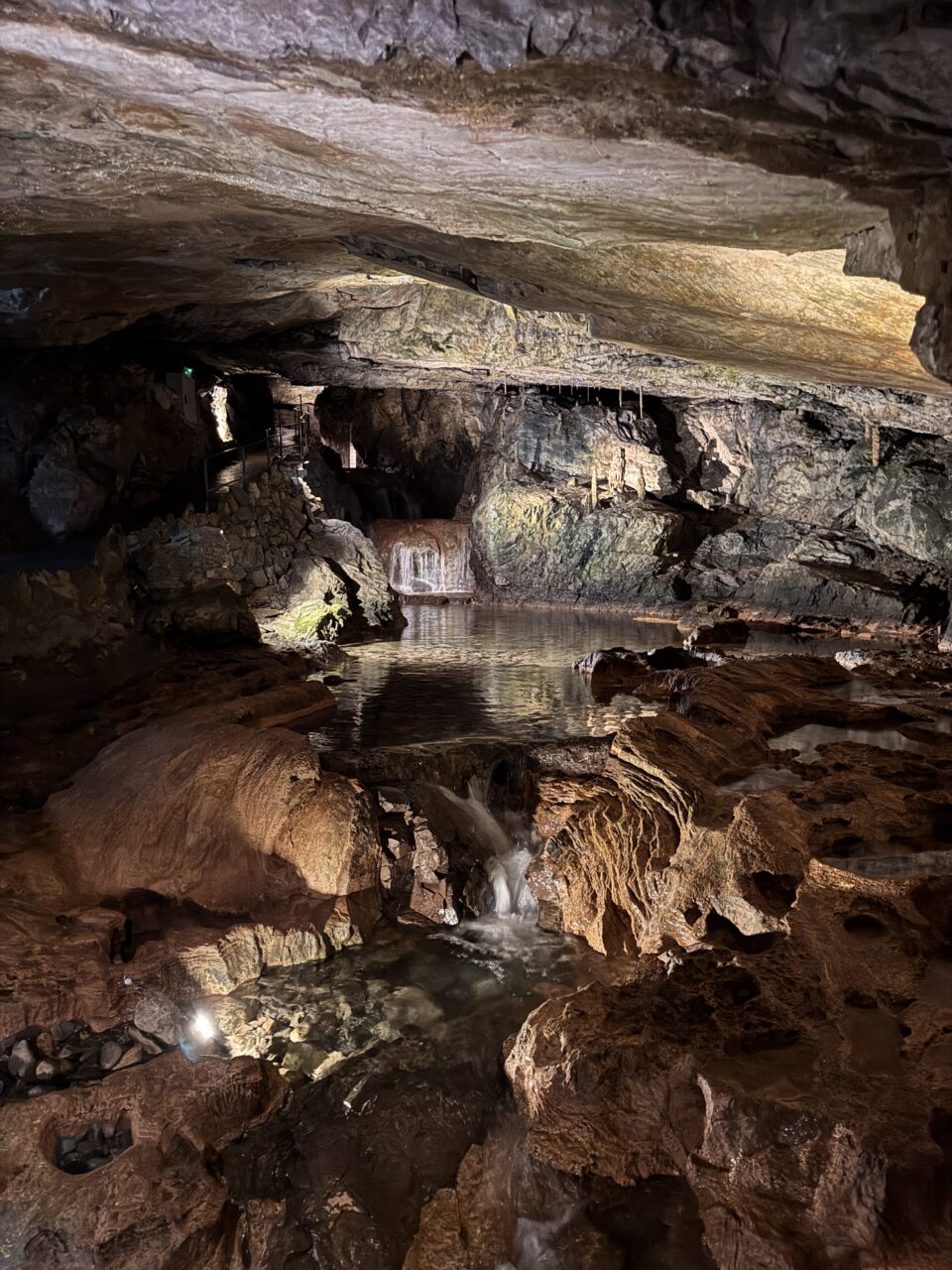
Approximately 14 kilometres of the St. Beatus cave system have been mapped, although around one kilometre is prepared and accessible to visitors. The route leads through illuminated passages, chambers, underground gorges and spaces shaped over immense periods of geological time.
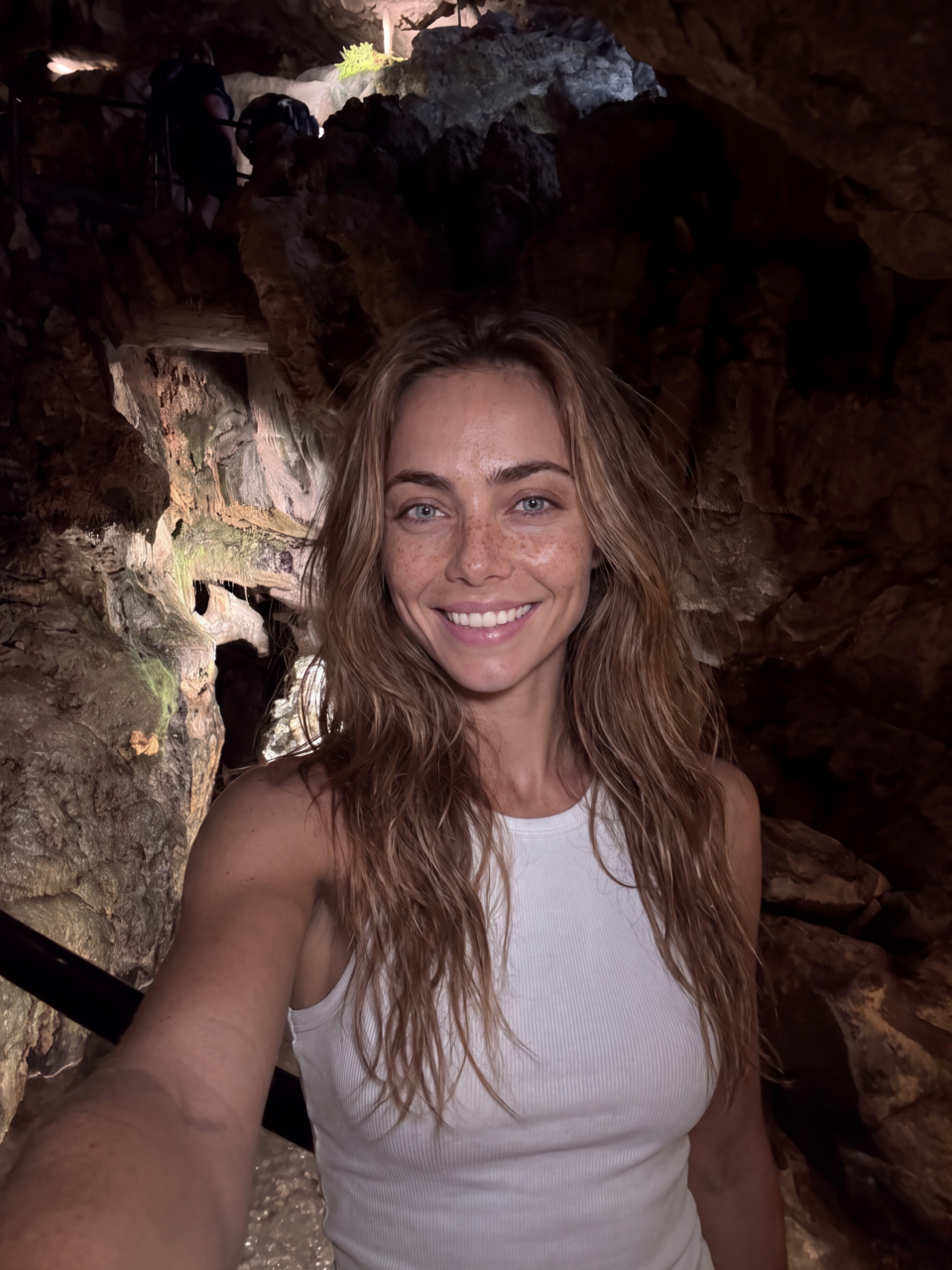
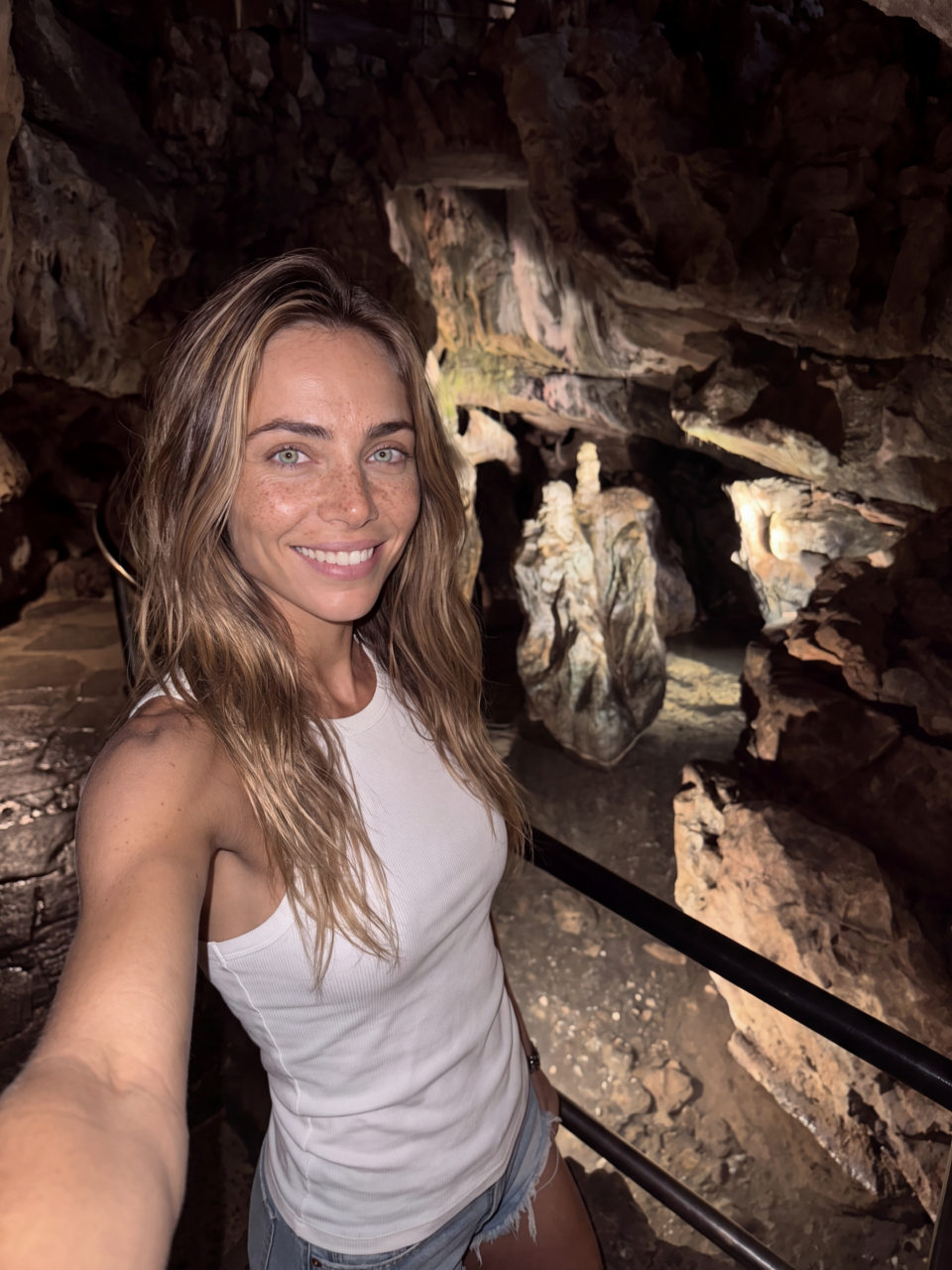
Inside, the atmosphere changed immediately. The bright sunlight and warmth of the lakeside disappeared, replaced by darker rock, the sound of dripping water and a steady temperature of approximately 8–10°C throughout the year.
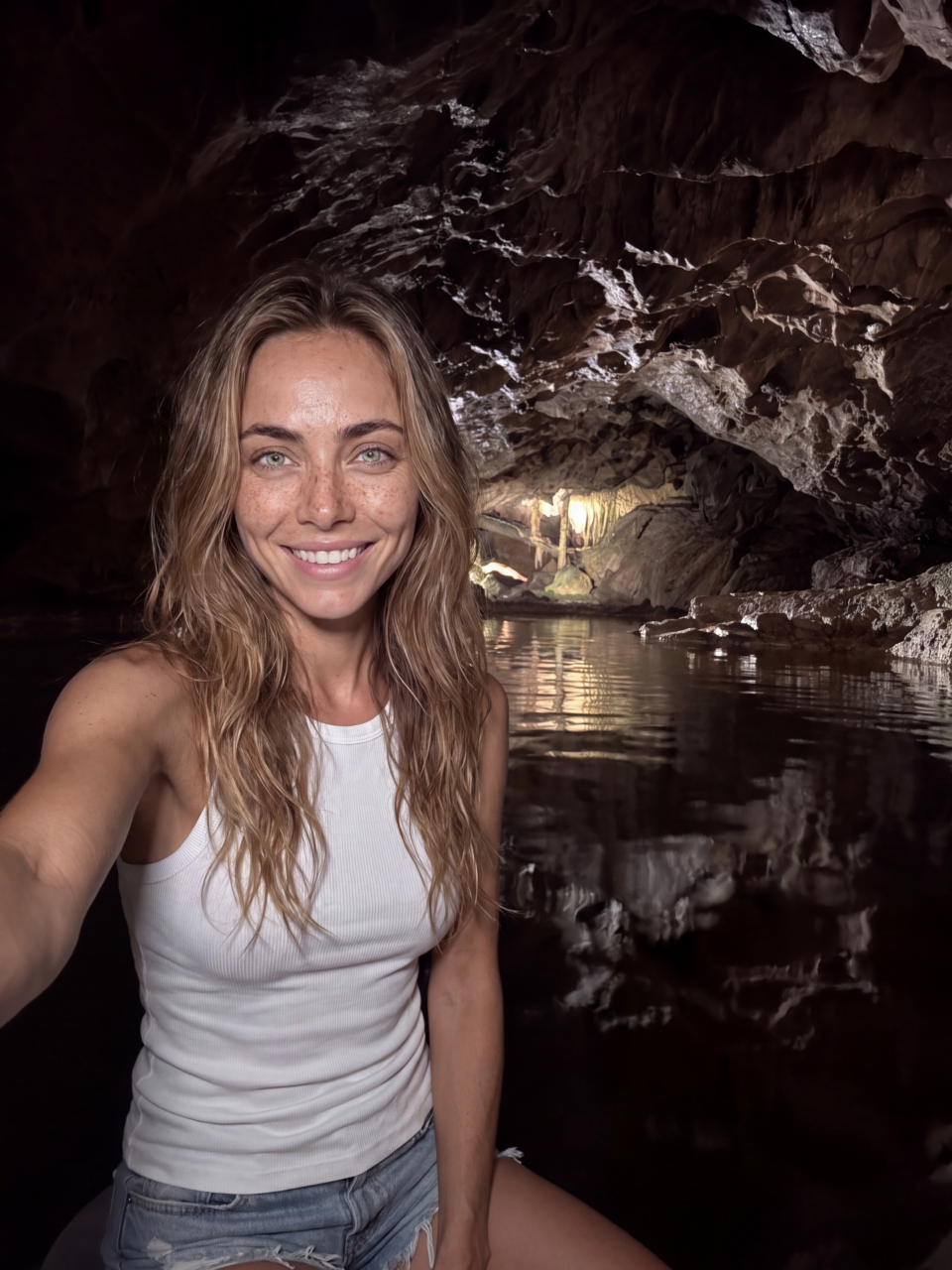
I quickly realised that my light summer clothing had been perfect for the weather outside—but not for spending time underground. I definitely should have brought a warmer layer with me.
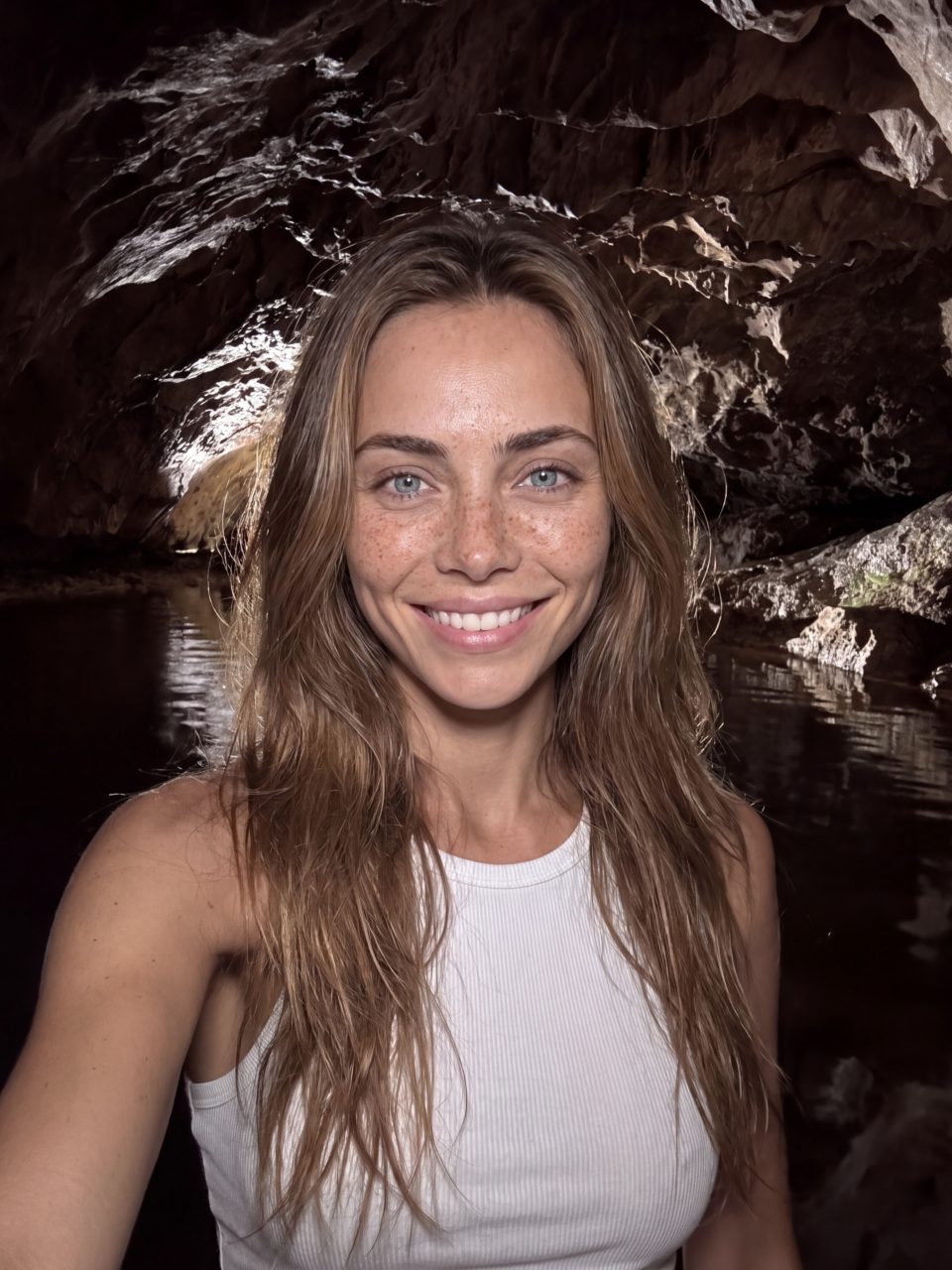
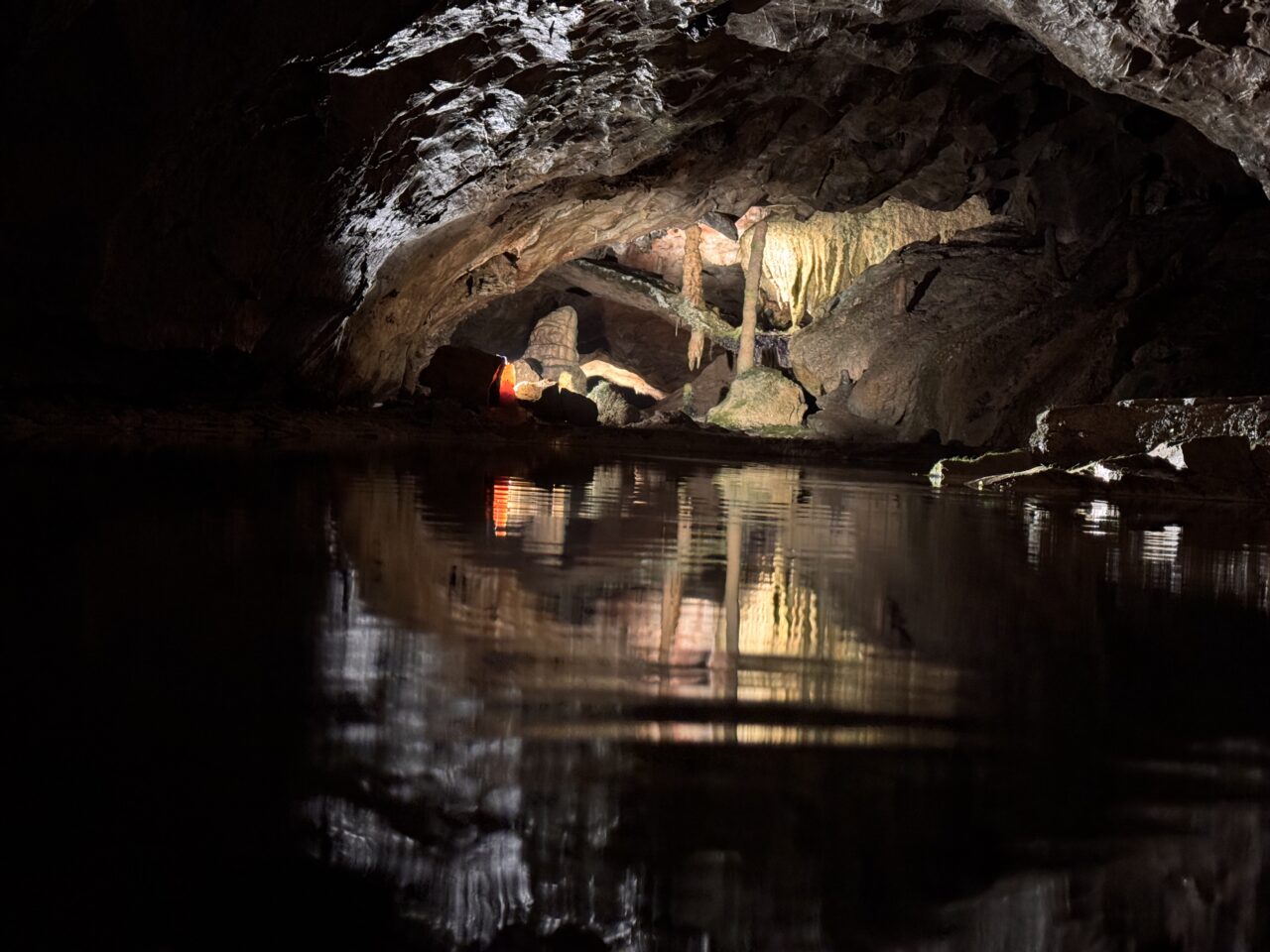
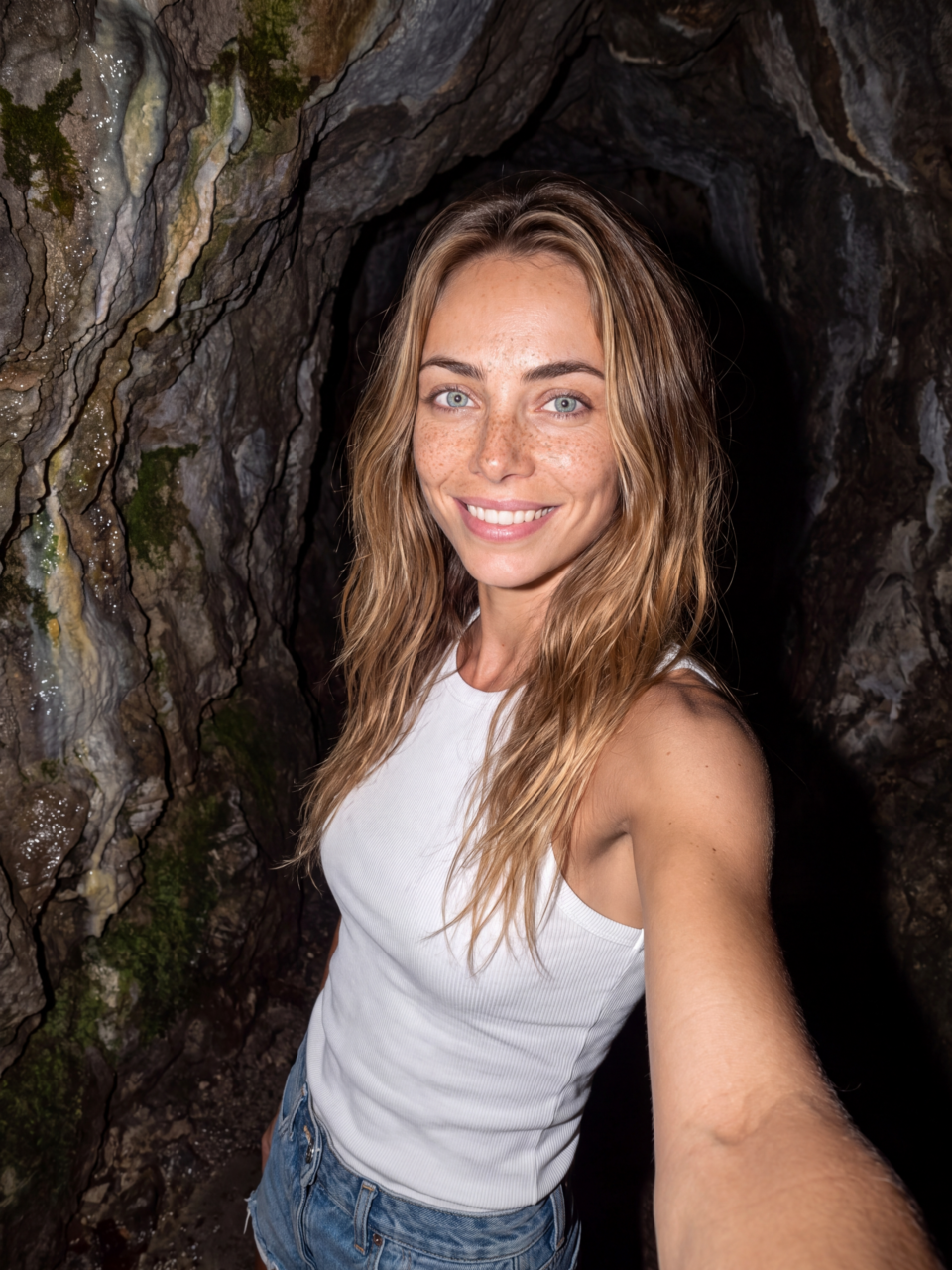
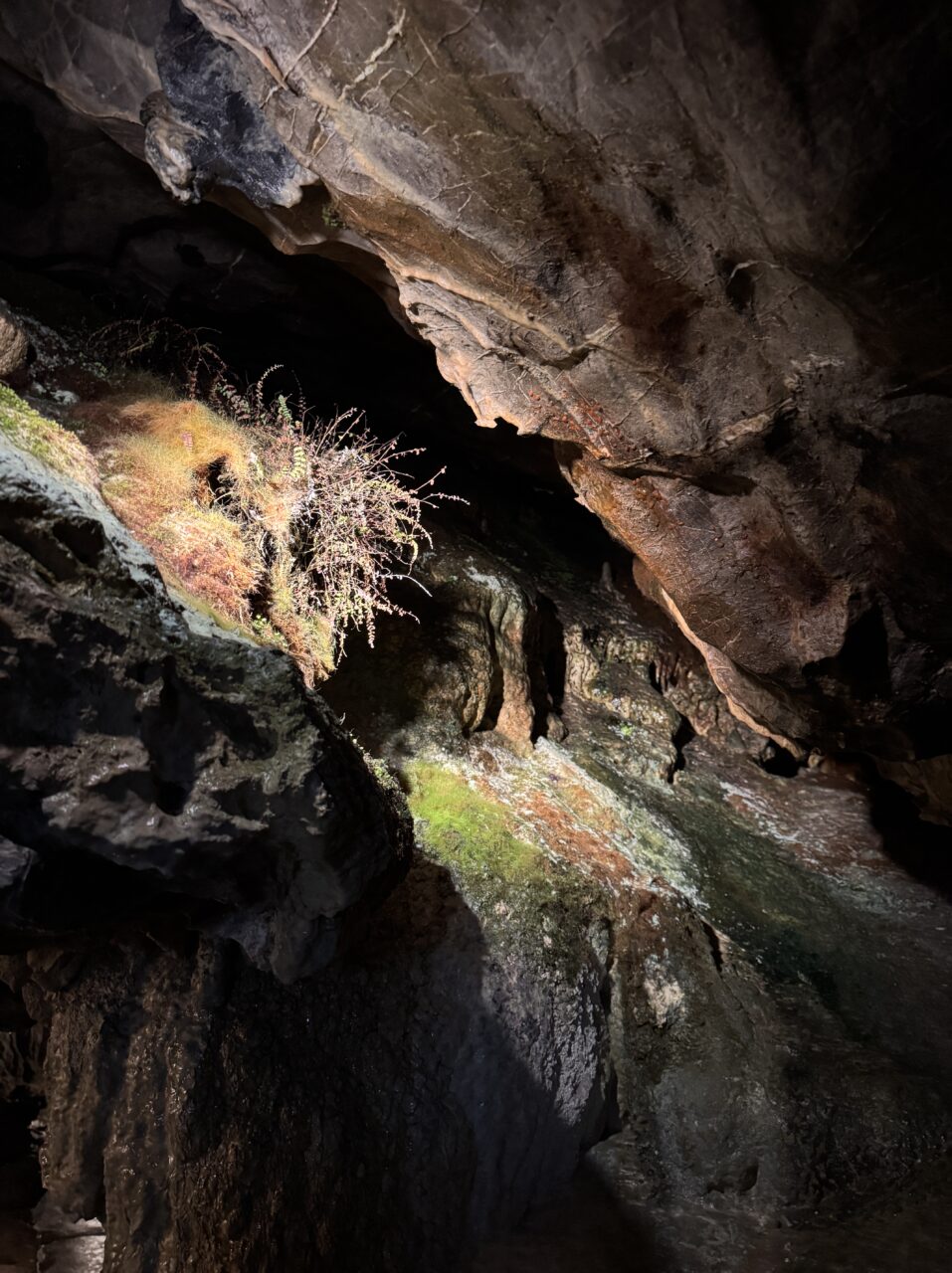
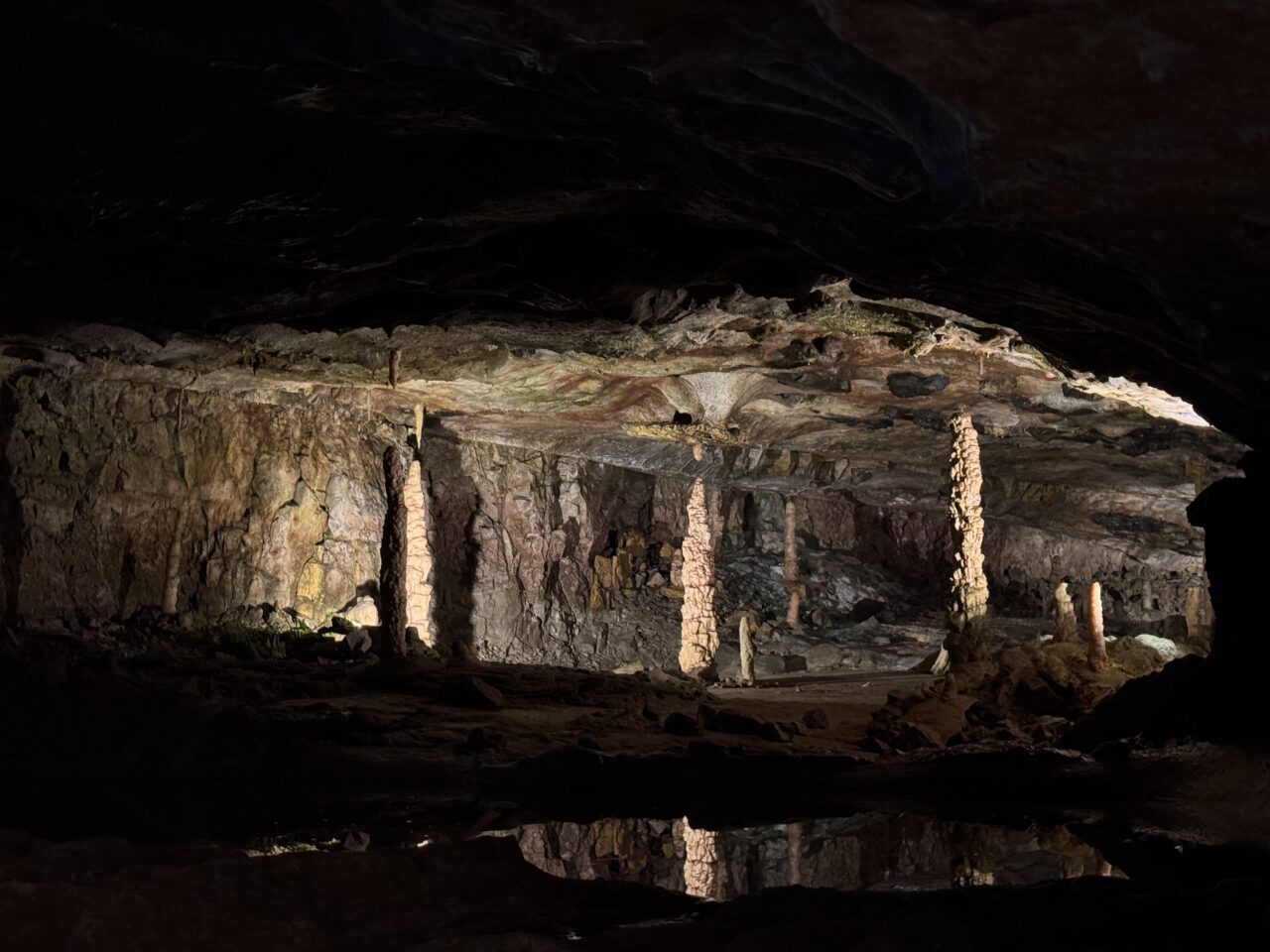
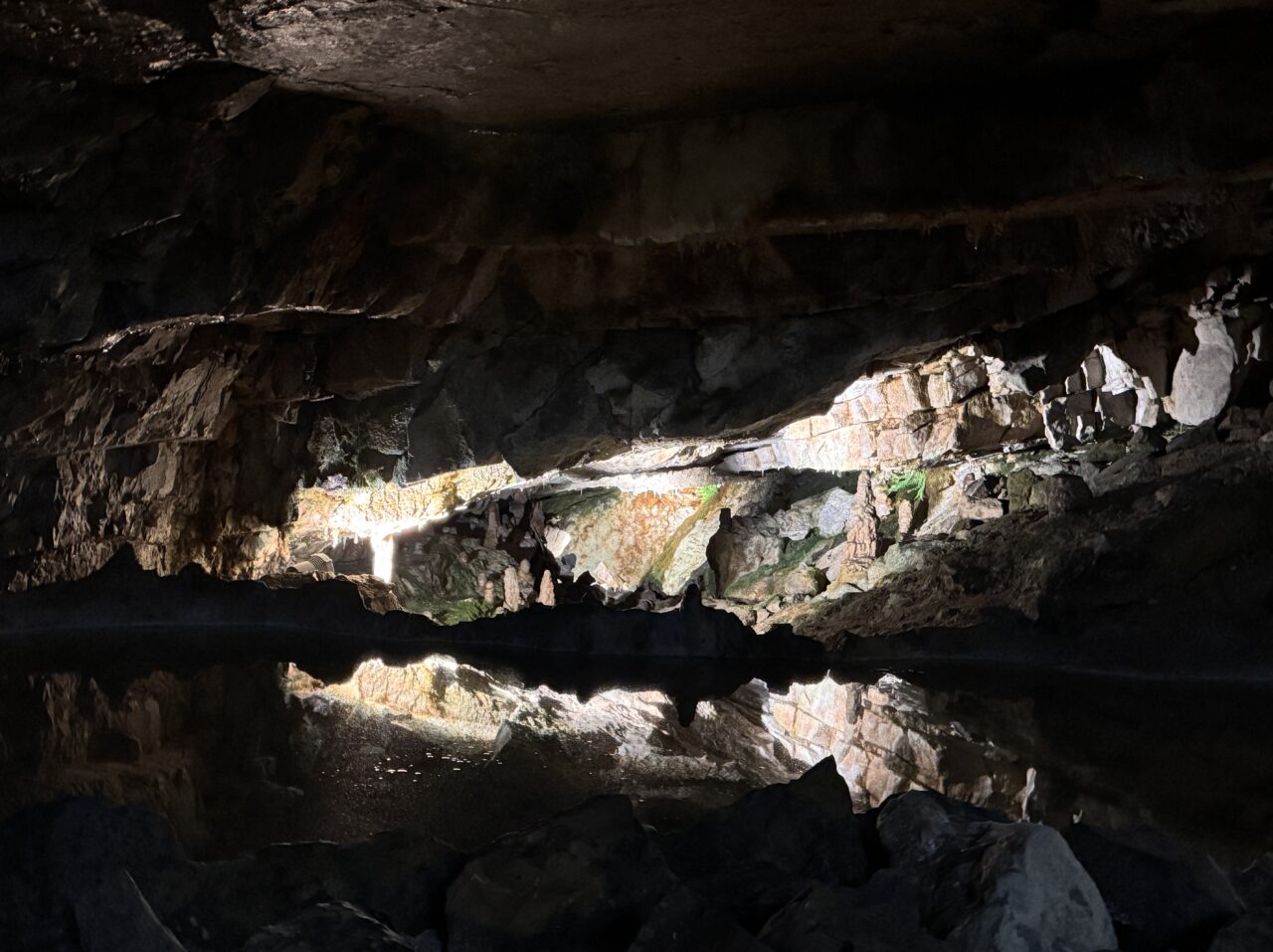
Still, being slightly cold did not make the experience any less fascinating. Light reflected across pools of water, revealing unusual colours and textures in the surrounding rock. Stalactites descended from above, while stalagmites slowly rose from the cave floor.
Water remains an essential part of the caves. It can be heard dripping, flowing and rushing through different sections of the mountain. In some chambers, the reflections made the space seem even deeper, while illuminated formations emerged from the darkness around the pathways.
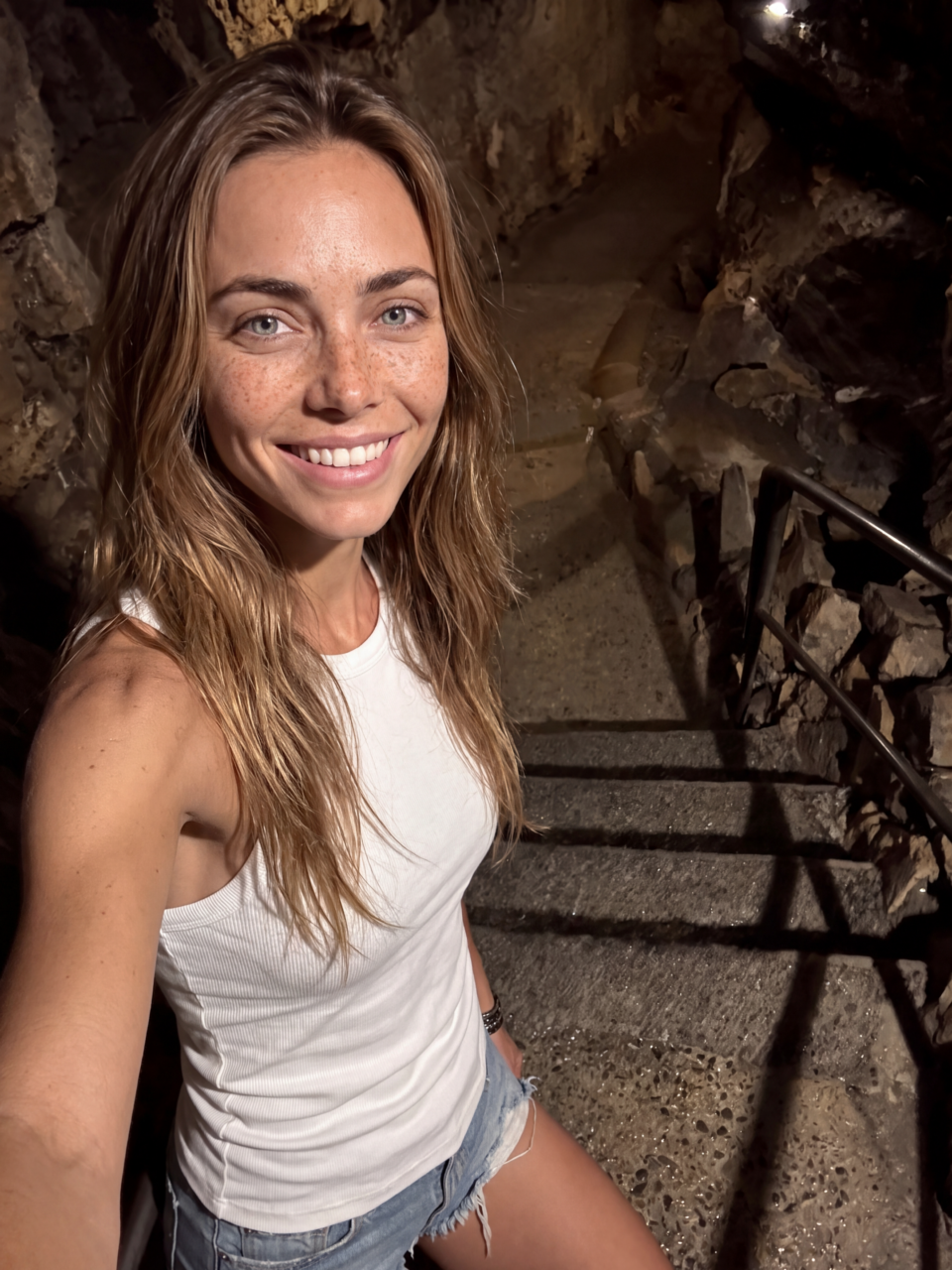
The accessible route takes approximately an hour to explore at a comfortable pace. Information panels explain the geology and history, allowing visitors to discover the cave without needing to join a guided group.
Returning to the Warmth and the View
Stepping back outside felt almost like moving between two completely different seasons. After the cool underground passages, the warmth of the day returned immediately.
The view across Lake Thun felt even more beautiful after spending time inside the mountain. The caves had offered darkness, ancient rock and rushing underground water; outside, everything was bright, open and filled with summer colour.
I spent more time enjoying the viewpoints and taking photographs around the cave entrance. The combination of the natural setting, the waterfalls, the mountain and the panorama across the lake makes the exterior almost as memorable as the underground tour itself.
Practical Tips for Visiting the St. Beatus Caves
If you are planning your own visit, bring a warm layer even when the weather beside Lake Thun is hot. The cave temperature remains around 8–10°C throughout the year, so a light jacket or sweater can make the underground walk considerably more comfortable.
Comfortable footwear is also useful because the experience includes both the climb toward the entrance and the walking route inside the caves. Photography and filming are permitted, although tripods are not allowed.
The caves can be reached by bus, boat or car. Bus number 21 and the boat service to Beatushöhlen-Sundlauenen are particularly scenic options and avoid the limited parking near the attraction.
An Unforgettable Second Day in Switzerland
This second day near Interlaken brought together so many different parts of the region: a beautiful journey along Lake Thun, wide mountain views, waterfalls descending through the rocks, an ancient cave system and the wonderfully dramatic legend of a dragon.
I may not have dressed warmly enough for the underground temperature, but that became part of the memory. Outside, it felt like summer. Inside, the mountain had its own climate, atmosphere and sense of time.
From the peaceful lake views to the mysterious chambers hidden within the rock, the St. Beatus Caves made this an amazing and unforgettable day—and a wonderful continuation of my Switzerland journey.